Signal Pause on Insurance Changes

Florida Lawmakers Signal Pause on Insurance Changes: Key Insights for Miami Shores & Biscayne Park Buyers and Sellers in 2026
Insurance Stability Creates Clearer Expectations in Miami Shores & Biscayne Park
After years of major reforms, Florida’s Legislature is hitting pause on significant property insurance changes this session. Senate President Ben Albritton stated there’s no expectation of major legislation, allowing past reforms (from 2022–2023) to fully take effect and deliver ongoing benefits.
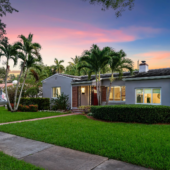
This is particularly relevant in Miami Shores and Biscayne Park, where buyers often seek charming, historic single-family homes in non-flood zones with strong community appeal. Stability means insurance premiums—still elevated but showing early signs of relief—are a known factor, not a wildcard. With no direct hurricane hits in 2025 and reforms curbing litigation, the market is stabilizing, giving local buyers and sellers more confidence in planning.
Why Lawmakers Are Pausing Major Changes
Recent reforms eliminated one-way attorney fees, curbed assignment-of-benefits abuses, and adjusted Citizens Property Insurance rates to encourage private market participation. These steps have suppressed frivolous claims and attracted more carriers.
Albritton noted that with these changes working and no major storm impacts recently, lawmakers expect gradual rate relief through market forces and Office of Insurance Regulation oversight—without needing new “tinkering.”
Positive Developments: Rate Reductions Already in Motion
- Citizens Property Insurance (the state-backed insurer of last resort) approved significant rate cuts for 2026, with statewide averages around 8.7% reductions for most policyholders starting in spring renewals—far better than initial proposals.
- Many policyholders, especially in high-claim areas, see 10%+ drops.
- Private insurers are returning, and Citizens’ policy count has plummeted dramatically, signaling a healthier market.
In Miami Shores and Biscayne Park, where homes often qualify for private coverage (thanks to lower flood risk in many areas and strong building standards), this trend supports more predictable—and potentially easing—costs.
What This Means for Buyers in Miami Shores & Biscayne Park
- Known costs upfront: Use current quotes (often $5,000–$10,000+ annually depending on home value, but trending down) for accurate affordability—factor them in like taxes or utilities.
- Stronger loan approvals: Lenders underwrite with certainty, reducing delays.
- Better negotiation power: In a normalizing market, focus on value, condition, and location perks (walkability, schools, proximity to Biscayne Bay) without insurance surprises derailing deals.
- Opportunity timing: With stabilization, 2026 could offer solid entry points before further improvements.
Informed buyers in these desirable neighborhoods can move confidently, envisioning long-term ownership without legislative upheaval.
What This Means for Sellers
- Price realistically: Base strategies on today’s premiums—not future cuts that may come gradually.
- Build transparency: Disclose current insurance details early to avoid renegotiations at closing.
- Highlight strengths: Emphasize non-flood zone status, impact windows/fortified features, or recent updates that keep premiums manageable—key selling points in Miami Shores/Biscayne Park.
Correct pricing from day one attracts serious buyers and leads to smoother transactions.
Vision for Insurance Rates in 2026 and Beyond No overnight fixes, but momentum is positive:
- Reforms reduce litigation and claims costs.
- Market normalization limits excessive profits.
- Gradual private carrier growth and potential further Citizens depopulation.
For Miami Shores and Biscayne Park—with median home values often $850K–$1.25M—insurance remains a factor but increasingly manageable as the state shifts from crisis to stability.
 Contact Laura Graves Real Estate for local insights:
Email: [email protected]